


🗣️ When Your Classroom Won’t Stop Buzzing
Every teacher knows the challenge of a chatty class that seems to run on unlimited battery power. I’ve been there, too—and it can feel overwhelming when nothing seems to settle the noise. But don’t worry, friend. There are simple, practical strategies that work without yelling, punishing, or cutting recess.
In this post, I’ll walk you through the most common teacher questions about managing talkative upper elementary students, and the solutions that truly help.
This post may contain affiliate links to Amazon for your convenience. As an Amazon Associate, I earn from qualifying purchases, which do not cost any extra for you. Please see the full disclosure here.
🤔 Why Is My Class So Chatty?
A chatty class usually isn’t trying to give you a hard time, there’s often a deeper reason behind all the talking. Sometimes students lose focus because the lesson isn’t engaging enough, or they simply aren’t sure what to do next. Other times, their social batteries are full, and they’re eager to connect with friends.
I’ve also noticed that kids will whisper to classmates when they’re confused but feel too shy to ask me directly. Understanding these root causes helps us respond with patience instead of frustration.

🔇 How Do I Quiet a Chatty Class Without Always Resorting to Punishment?
You don’t need harsh consequences to calm a chatty class, gentle, consistent strategies work even better. I like using positive reinforcement, such as praising focused students or awarding quick points when the room settles. Proximity also helps; simply walking near talkative groups sends a quiet signal.
One of my favorite tools is a “silent timer” challenge. The whole chatty class tries to stay on task while the timer runs, and they earn points or privileges when they succeed. It turns quiet time into a fun team goal.
📣 What Attention Getters Actually Work for a Chatty Class?
The right attention-getter can bring even a busy chatty class back to focus in seconds. Call-and-response routines work beautifully—simple phrases like “Class, class!” followed by “Yes, yes!” give students a fun, predictable cue. Clapping patterns or quick rhythmic repeats also grab attention without raising your voice.
I’ve found that consistency matters most. When students know exactly what to expect, they respond faster and with fewer reminders. With practice, your chatty class will tune in as soon as they hear your chosen signal.
🗨️ How Much Talking Is Too Much?
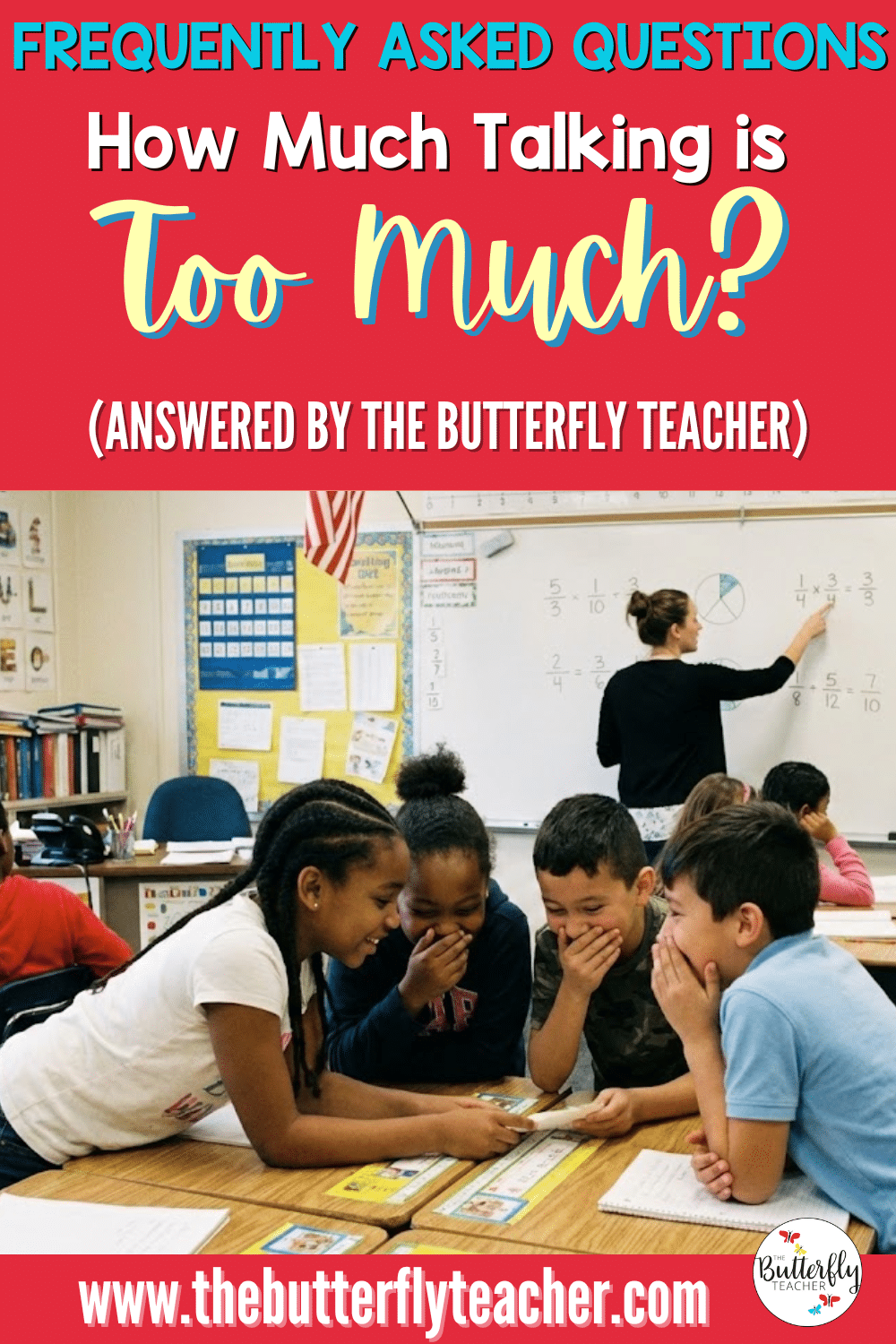
It’s normal for students to chat, but knowing the difference between productive talk and off-task chatter is key—especially with a chatty class. Discussions, partner work, or collaborative problem-solving are all positive ways to let students communicate.
To keep talking purposeful, I schedule structured “turn and talk” moments. This gives your chatty class a chance to share ideas without disrupting lessons, letting social needs be met while keeping learning on track.
🔁 What Do I Do About Repeat Offenders Who Won’t Stop Talking?
Even in a chatty class, some students need extra guidance. Consistency is everything—clear expectations and predictable consequences help them understand limits. Private conversations let students reflect without embarrassment.
I often use seat changes, reflection sheets, or behavior contracts. These tools give repeat offenders a structured way to reset, while the rest of your chatty class can continue learning without distractions. Small, consistent steps make a big difference over time.
🪑 How Can I Rearrange Seating to Curb Excessive Talking?
Seating arrangements can make a huge difference in a chatty class. Pairing talkative students with quieter peers or using rows instead of clusters can naturally reduce off-task chatter.
I also rotate seating periodically to prevent habits from forming and to give everyone a fresh perspective. Strategic placements help your chatty class stay engaged while minimizing distractions—sometimes a small change in seats is all it takes to restore calm and focus.
🎨 How Do I Keep Lessons Engaging So Students Don’t Drift Into Side Conversations?
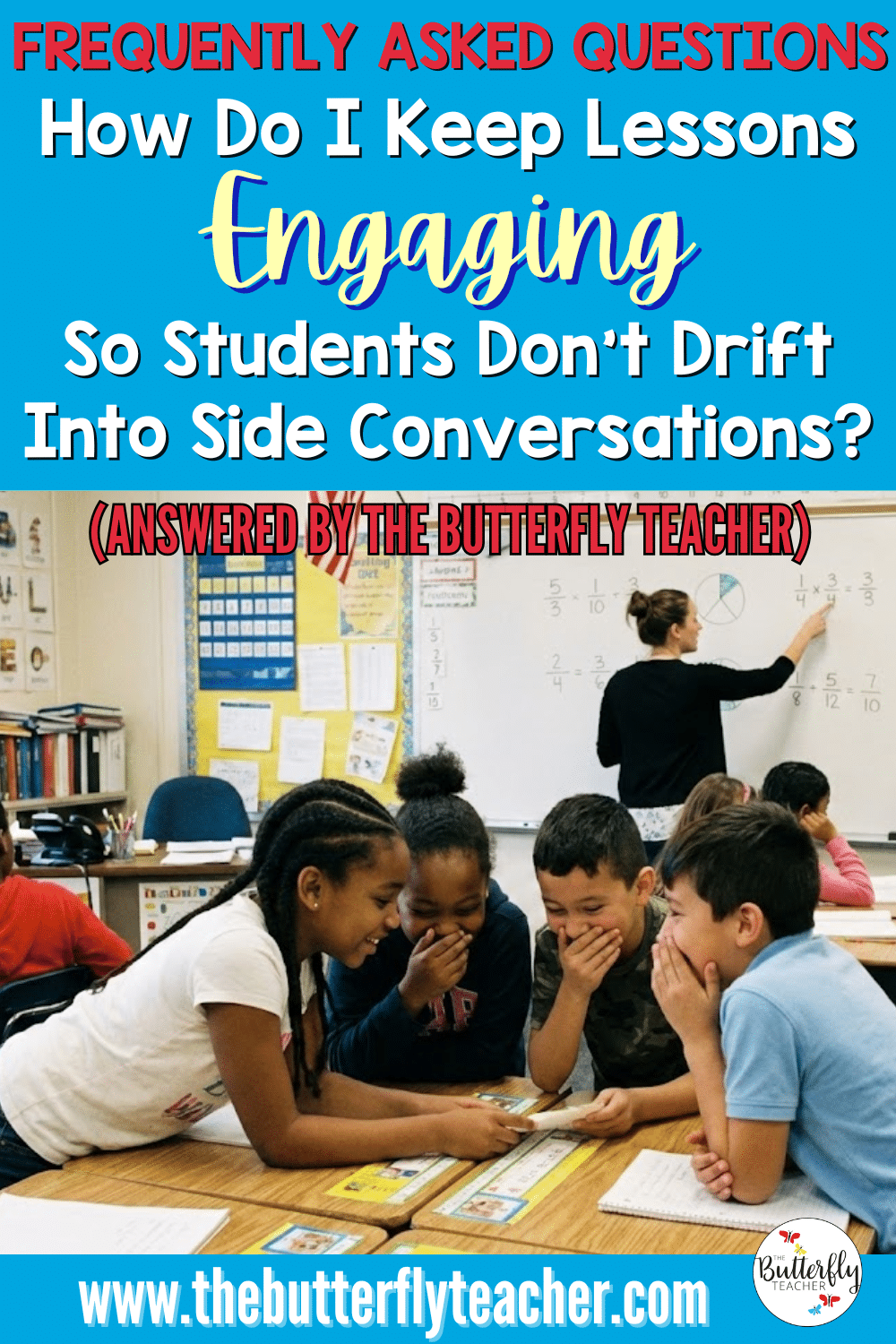
Keeping a chatty class focused often means making lessons more interactive. Breaking instruction into smaller chunks and adding movement or hands-on activities keeps students’ attention where it belongs.
I like using quick polls, short movement breaks, or whiteboard responses every 5–10 minutes. These strategies give your chatty class opportunities to participate actively, reducing off-task chatter while making learning more fun and memorable.
📏 How Can I Set Classroom Norms to Reduce Constant Talking?
Setting clear norms helps your chatty class understand when talking is appropriate. I love creating a class social contract together, letting students contribute their ideas about acceptable behavior.
An anchor chart works wonders—label sections for “When talking is okay” versus “When to stay quiet.” Involving students in the process gives them ownership, making it much easier to maintain calm and focus throughout the day.
🎁 What Consequences or Rewards Work Best for a Chatty Class?
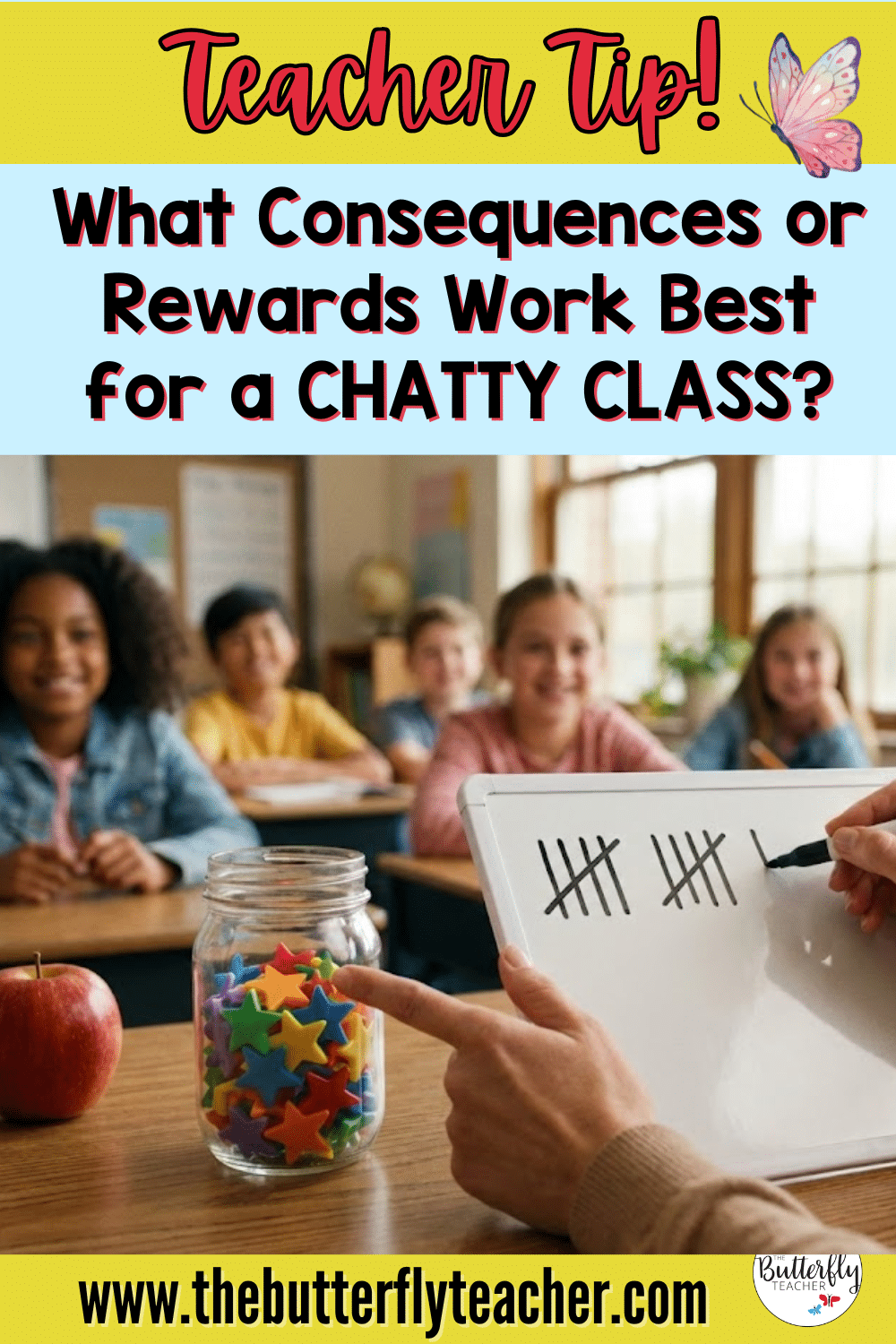
A fair system keeps your chatty class motivated without punishing everyone. I use clear consequences paired with rewards so students know exactly what’s expected.
One simple method is a tally system: too many tallies result in losing a privilege, while fewer tallies earn a reward. Consistency with this approach helps your chatty class stay accountable, encourages positive behavior, and keeps the classroom environment calm and focused.
⏳ How Do I Stay Consistent Without Burning Out?
Consistency is key when managing a chatty class, but it can be exhausting. Patience and a clear plan help you follow through without feeling drained.
Always enforce consequences and avoid giving in when tired—it sets expectations for the long term. Small daily habits and routines make a big difference, and consistency becomes easier over time. For more ideas on keeping your classroom routines fun and effective, check out my post on 10 Creative and Fun Ways to Teach Classroom Procedures.

✅ Conclusion: You’ve Got This, Teacher!
Managing a chatty class can feel challenging, but with structure, consistency, and positivity, it’s completely doable. Pick just one strategy from this post to try this week—it’s amazing how small changes make a big impact.

For even more ideas, check out Creative and Interesting Classroom Management Tools for Teachers. I’d also love to hear your tips—share your best strategies in the comments to help other teachers thrive with their chatty class too!