

If you’ve ever had a student finish an assignment five minutes in and immediately ask, What do I do now?—you know the struggle is real. 😅 Managing meaningful early finishers for upper elementary doesn’t have to mean extra prep, busywork, or endless grading.
With the right system, you can keep your fast finishers engaged, on-task, and learning—without creating more work for yourself. In this post, I’ll share practical ideas, classroom-tested routines, and no-prep early finisher activities that actually work.
This post contains affiliate links. As an Amazon Associate, I earn from qualifying purchases at no additional cost to you.
What Can I Do With Early Finishers for Upper Elementary Without Creating More Work?
You’re in the middle of small group time, trying to reteach long division, when a kiddo walks up and says, “I’m done. What do I do now?” 😩 And it’s not just one student—it’s the same handful who always finish early.
We love that they’re quick, but whew… that momentum shift can totally throw off your groove!
If you’re anything like me, you’ve tried everything:
- Extra reading time (but they speed through that too)
- Helping others (which turns into social hour)
- Drawing or free choice (which leads to chaos if not structured well)
Eventually, I realized I needed a go-to system for early finishers that wouldn’t:
- Require me to prep new stuff every week
- Add to my grading load
- Disrupt my small group or intervention time


Why Monthly Packets Work for Fast Finishers
That’s when I started making monthly packets of skill-based, independent activities. These early finishers for upper elementary quickly became a game-changer!
Not busywork. Not just fluff.
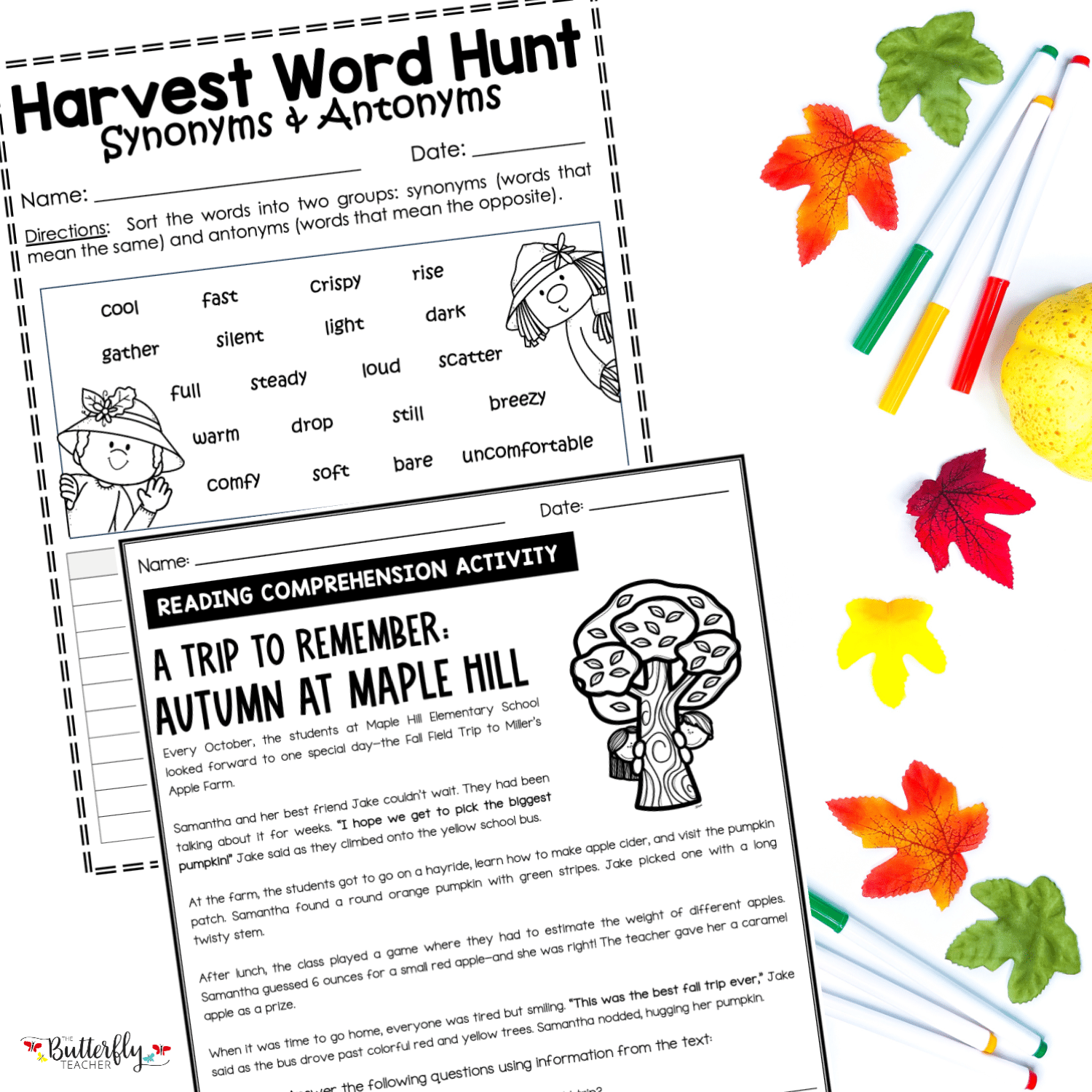
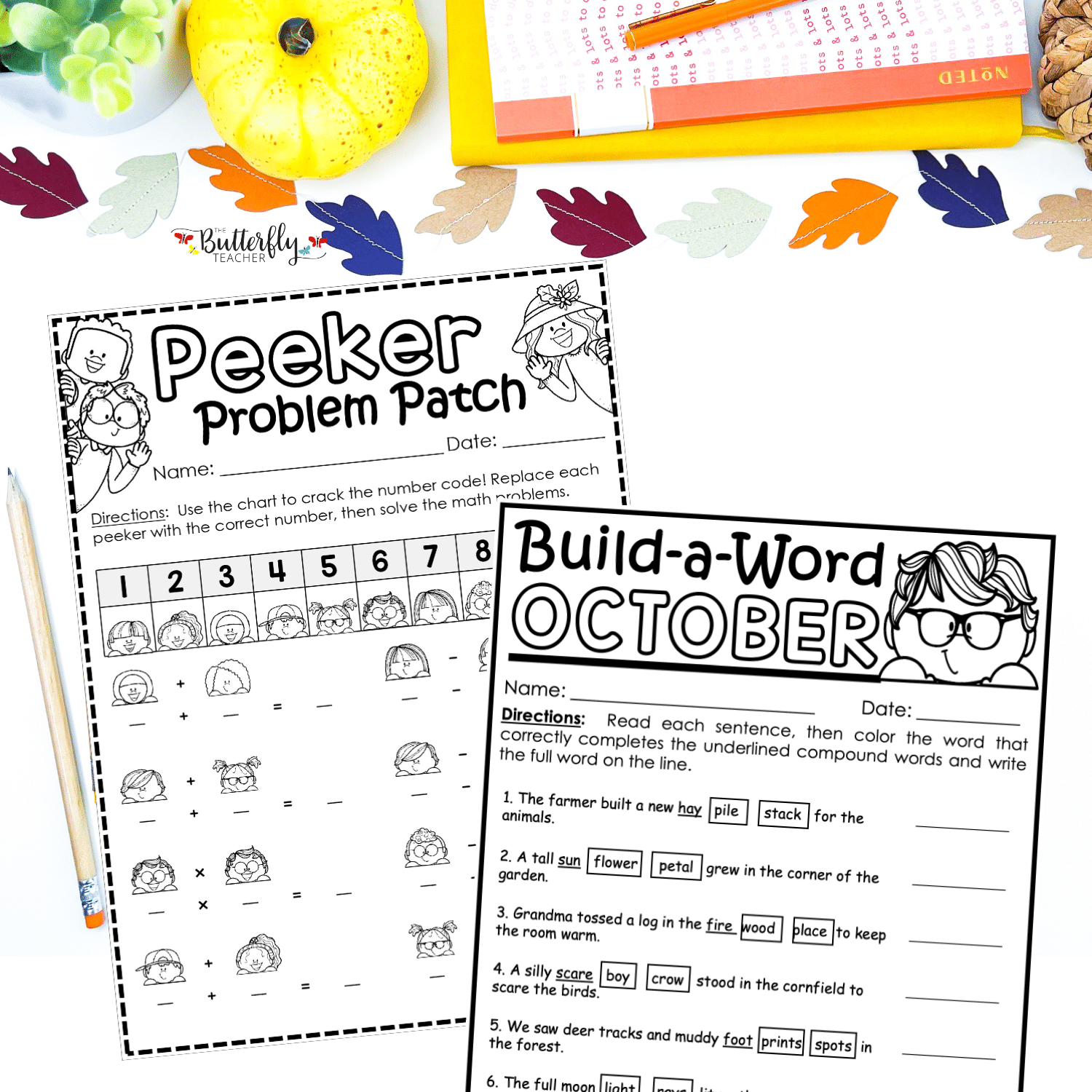
These are purposeful tasks that review what we’ve already covered, but in engaging formats like:
- Puzzles
- Creative writing prompts
- Themed logic games
- Seasonal ELA and math pages
These easy to put together packets give my students structure and help maintain learning momentum.

How I Grade Early Finisher Work Without Stress
Let’s talk grading. 📈 I don’t grade early finishers for upper elementary based on accuracy—I grade for completion and effort. It’s that simple.
Here’s my system:
- Students turn in their completed packets at the end of the month
- I skim through them (or have a volunteer/assistant help) to check for completion
- If I notice repeated confusion or no effort, I follow up with the student or include notes to discuss a skill in my lesson plan
💡 Bonus Teacher Tip:
If your school requires you to grade everything, project the answers on the board and let students self-check or peer-check. It keeps accountability in place without creating more work for you.

Why This Early Finisher System Works in Upper Elementary
This system gives my classroom much-needed structure without relying on me to prep or supervise constantly. More importantly:
- This keeps early finishers on task
- You can prevents classroom disruption
- It allows me to focus on my small groups
- And it helps students take responsibility for their own learning
How Can I Stay Organized With Early Finishers Without Weekly Printing?
Ok, can we address copy fatigue? You know the feeling—standing in line for the copier before school, praying it doesn’t jam.
I knew I had to simplify my early finisher system.
My Monthly Packet Strategy with Early Finishers for Upper Elementary
Here’s what works for me:
- I use a simple Amazon book-binding machine to bind the packets at the start of each month
- Students keep their booklet in their desk or personal folder
- When they finish something early, they pull out their packet—no questions asked
- At the end of the month, we collect, check for completion, and recycle or file as needed

This method saves me hours of prep each week and gives students consistent, meaningful work.

If you want to see more tips on organizing your early finisher activities, I give more practical ideas and systems in this post. Click the image to see more.
What Types of Early Finisher Activities Actually Work?
You’ve probably seen a million Pinterest “early finisher” ideas. But not all of them actually work in a real classroom.
Key Characteristics of Effective Fast Finisher Activities
✔️ Meaningful – Reinforces academic content (not just a time filler)
✔️ Independent – Students can do it without interrupting you
✔️ Skill-Based – Reviews concepts they’ve already been taught
✔️ Engaging – Uses puzzles, games, and themed formats to keep attention + highlights fun holidays and seasons
✔️ Balanced – A mix of reading, math, writing, logic, and even light science/social studies
✔️ Flexible – Works for fast finishers, morning work, sub plans, and more


When planning, I always ask:
“Can my students do this without needing help, and will it hold their attention?” 🤔
If the answer is yes, it goes in the packet.
What Should Teachers Look for When Choosing Activities for Early Finishers for Upper Elementary?
Not all early finisher work is created equal. The best ones strike a sweet spot between structure and choice.
Qualities of Strong Early Finisher Materials
- Variety in format – Avoid repetition with crosswords, color-by-code math, I Spy worksheets, etc.
- Range of subjects – ELA, math, science, and social studies for well-rounded reinforcement
- Clear directions – Must be student-friendly for independent use
- Low prep – Shouldn’t require you to reinvent the wheel each week
- Purposeful fun – Keeps students motivated and on task
A well-rounded packet can be reused in other ways too (keep reading 👇).
What If My Students Finish at Wildly Different Speeds?
By the time students reach upper elementary, the speed differences in how they work become more noticeable. Strong readers or math thinkers often breeze through tasks, while others who are still building foundational skills may take much longer.
Since students finish at very different speeds, I build clear routines so early finishers can grab their packet and work independently or within a small group. That way, everyone stays engaged no matter their pace.
When some students breeze through work, while others need every minute, the classroom environment doesn’t turn into a circus! I used to panic over this until I put these supports in place:
Tips for Managing Differentiated Pacing
- Normalize different paces – Remind students that everyone works at their own speed
- Set clear expectations – Early finisher tasks are part of the routine, not “extra work”
- Introduce the packet system early – Model and practice it during the first week of school
- Post anchor charts – Keep expectations visible to guide students
This helps students stay accountable without feeling rushed—or left out.

How Do I Avoid Making Early Finisher Work Feel Like a Punishment?
Nobody wants early finisher work to feel like a punishment—and yet, it happens if activities are too hard, too dull, or always the same. Upper elementary students are especially sensitive to fairness, so the best system is one that mixes rigor with fun.
By offering choice, variety, and independence, you’ll transform early finisher time into something positive and productive instead of something kids try to avoid.
When early finishers start dragging their feet just to avoid “extra work,” something’s off.
Make Early Finisher Work Feel Rewarding
- Include “fun brain” pages – Logic puzzles, drawing prompts, and seasonal themes
- Let students choose – Allow some flexibility within the packet
- Rotate activity types – Avoid burnout by mixing formats each month
- Don’t penalize their grades over it – If students feel anxiety around getting everything perfect, they will resent completing any early finisher activity you give them.
The more ownership and variety you give, the more students see early finisher time as something to enjoy—not avoid.
Can I Use These Activities for More Than Just Early Finishers?
YES! 👏 You don’t need to reinvent the wheel every time the schedule or season changes. I reuse my early finisher packets across multiple areas:


Additional Uses for Early Finisher Activities:
- Morning / Bell ringer work
- Flex time or center rotations
- Homework
- Sub plans
- Indoor recess or fast-finishers during testing season
A well-made packet becomes a teacher lifesaver on busy days!
Want More Early Finisher Ideas by Grade Level
When it comes to meaningful early finisher activities, you may want something specific to your grade level. If you’re looking for these grade-specific examples and ideas, try these posts next:
- Early Finisher Activities for 3rd Grade
- Early Finisher Activities for 4th Graders
- 15 Fun and Easy 5th Grade Early Finisher Activities
Simplify Your Early Finisher System Without Losing Instructional Time
Teacher friend, students who finish work really fast don’t have to derail your day or lesson. With a solid plan in place, you can:
- Keep your kiddos learning
- Protect your small group time
- Cut down on behavior issues
- Reclaim a little mental peace ✨
When your early finishers for upper elementary system is built around variety, engagement, and easy routines, your whole class benefits.
If you’re looking for ready-to-go activities that check all the boxes we’ve talked about, my Year-Long Early Finishers Activities Bundle might be just what you need.

But even if you create your own, remember this: You don’t have to grade everything. You don’t need Pinterest-perfect centers. You just need systems that work—for your students and for your sanity.
Share this post on your favorite social media platform or on Pinterest. Let’s spread the word to help other teachers grow stronger with maintaining early finishers for upper elementary.
🦋 Continue to transform learning beautifully!