


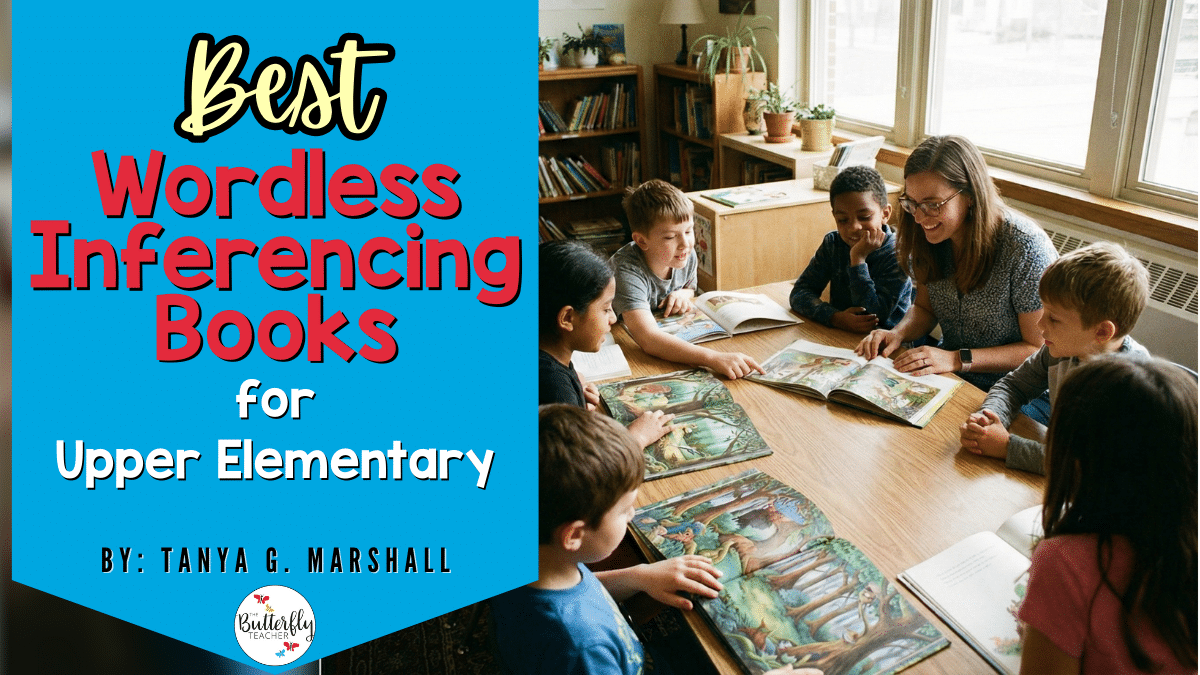
Wordless inferencing books are some of my favorite go-tos for sparking rich conversations in upper elementary. Without text, students lean heavily on visual clues, boosting comprehension, prediction skills, and visual literacy in such natural ways. These books also make discussions more accessible for multilingual learners because everyone can participate confidently.
In this post, I’m sharing my top picks for wordless inferencing books, each paired with a simple teaching tip so you can easily add them to your classroom toolkit. These wordless inferencing books always lead to deeper thinking and big “aha!” moments.
This post may contain affiliate links to Amazon for your convenience. As an Amazon Associate, I earn from qualifying purchases, which do not cost any extra for you. Please see the full disclosure here.
🔍 Why Pictures Alone Can Unlock Big Thinking
One of the reasons I love using wordless inferencing books is that they naturally invite students to slow down and really look. Without text guiding them, kids have to gather clues from expressions, settings, and tiny visual details, skills that translate beautifully into stronger comprehension.
These moments become quick opportunities to cite evidence, make predictions, and support claims in ways that feel low-pressure and fun.
They also fit anywhere in the day: small-group warm-ups, whole-class discussions, or even a quiet independent activity when you need five focused minutes. And if you want instant access to many titles, Kindle Unlimited is such a helpful tool. I often remind teachers that a quick browse there can uncover even more wordless inferencing books to use throughout the year. You can check out the Kindle Unlimited option here.

No matter how you use them, wordless inferencing books bring out deeper thinking without requiring heavy prep, and that’s a win for everyone.
📚 Classroom Favorites: Exploring Wordless Inferencing Books Together
When I pull out wordless inferencing books during reading time, my upper elementary students light up. These stories rely on rich visuals, making them perfect for strengthening observation, prediction, and evidence-based thinking. Below are some of the most dependable wordless inferencing books I use throughout the year, each one brings its own spark to classroom discussions.
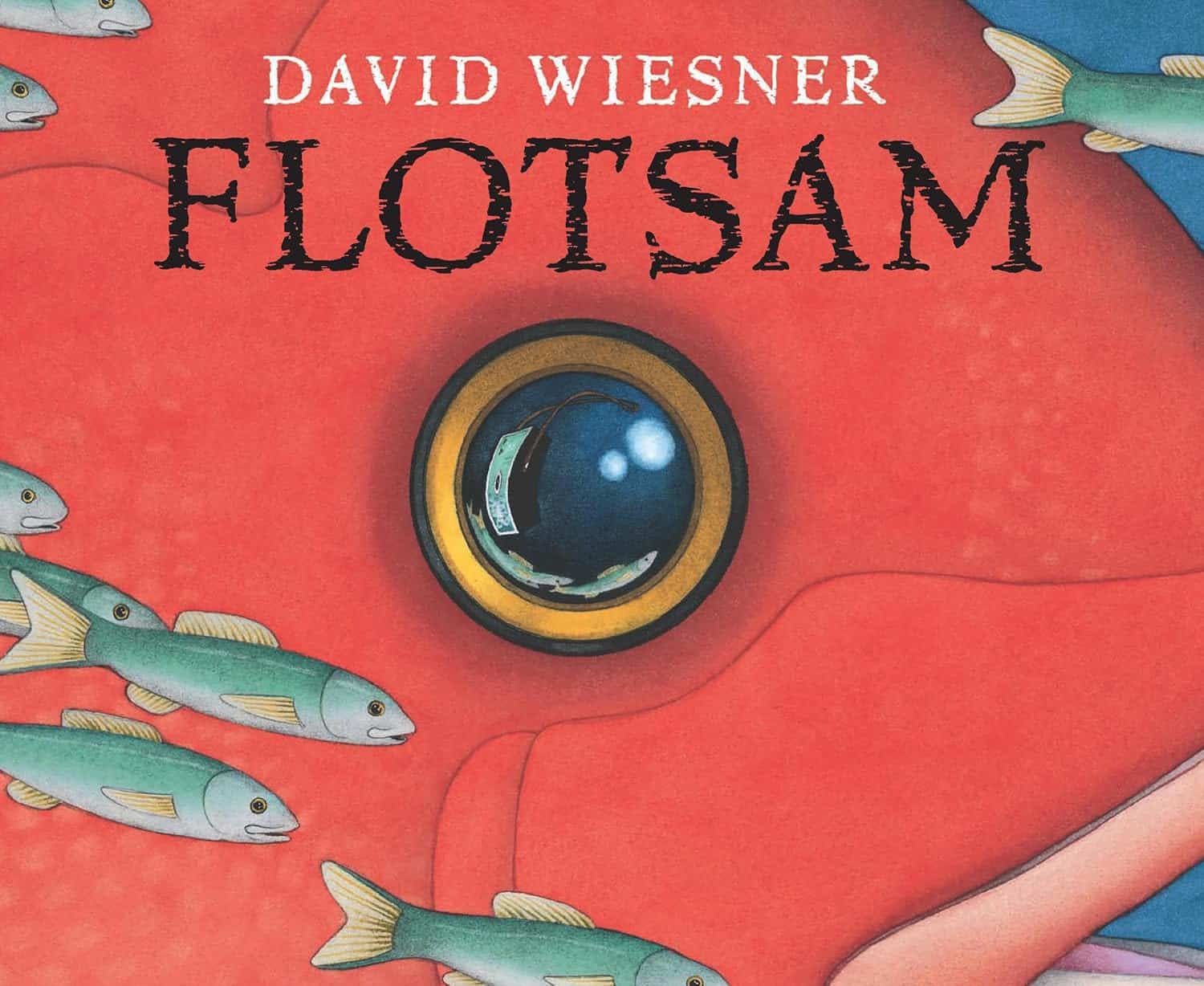
Flotsam — David Wiesner
This imaginative underwater adventure grabs students right away with its detailed illustrations.
Teaching Tip: Great for observational inferences, have students trace recurring visual clues across the pages.

Tuesday — David Wiesner
Kids love the unexpected nighttime chaos as frogs glide through town.
Teaching Tip: Use the surprising events to practice cause-and-effect inferences as the story unfolds.

The Red Book — Barbara Lehman
A mysterious red book connects two characters in different worlds without a single word.
Teaching Tip: Perfect for helping students infer motivation and actions happening off-page.

Chalk — Bill Thomson
This magical story follows kids whose chalk drawings spring to life.
Teaching Tip: Great for encouraging students to predict and revise their inferences as the magic escalates.

The Lion & the Mouse — Jerry Pinkney
This beautifully illustrated fable retells a classic story through expressive artwork.
Teaching Tip: Ideal for helping students infer emotions and traits based on character expressions.

Unspoken: A Story from the Underground Railroad — Henry Cole
Told entirely through pencil sketches, this book reveals a girl’s silent decision to help a stranger.
Teaching Tip: Use the historical setting to guide students in inferring themes and unspoken choices.

The Snowman — Raymond Briggs
A gentle winter tale about a boy who builds a snowman that comes to life.
Teaching Tip: Strong for teaching sequence inferences and tracking how small clues build the storyline.

The Mysteries of Harris Burdick — Chris Van Allsburg
Each page presents a single illustration paired with a mysterious caption.
Teaching Tip: Excellent for helping students infer missing story elements or create “what happened next” scenarios.

The Grey Lady and the Strawberry Snatcher — Molly Bang
This visually bold story follows a mysterious pursuit through shifting colors and shapes.
Teaching Tip: Great for inferring meaning from color, movement, and perspective.
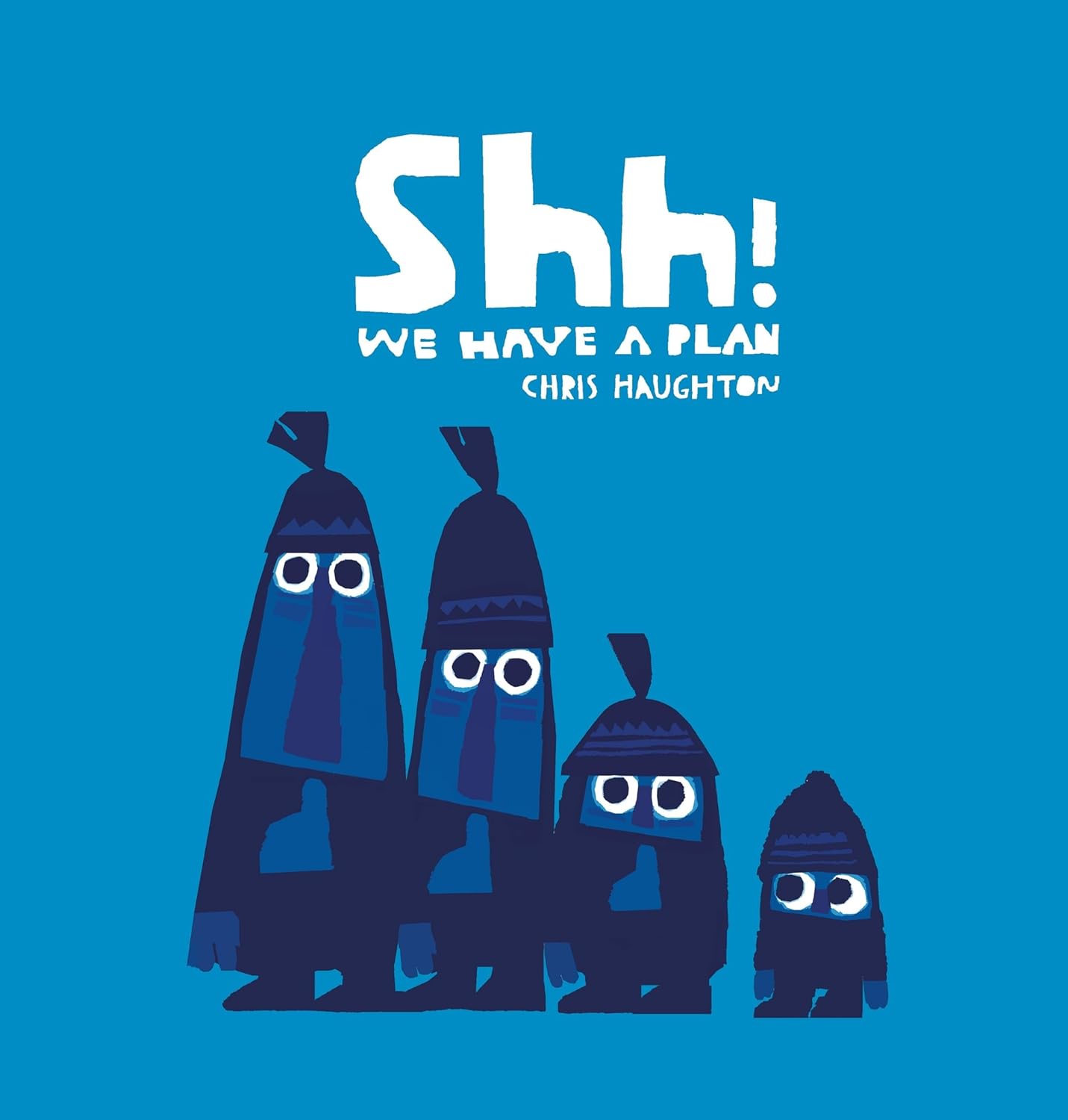
Shhh! We Have a Plan — Chris Haughton
A group of characters attempts to catch a bird—but plans don’t go quite right.
Teaching Tip: Use it to practice inferring intention vs. outcome and exploring teamwork themes.

Flora and the Flamingo — Molly Idle
A gentle, graceful story told through movement and mirrored actions.
Teaching Tip: Ideal for inferring relationship dynamics through body language and subtle visual cues.

The Wretched Stone — Chris Van Allsburg
A crew of sailors encounters a glowing stone with unusual effects on the ship.
Teaching Tip: Perfect for inferring theme and symbolism based on mysterious visual clues.
These titles show just how flexible wordless inferencing books can be, they work beautifully in read-alouds, small groups, or even independent journals. Whether you’re fostering discussion or strengthening visual analysis, these wordless inferencing books offer endless opportunities to deepen thinking.
🧠 More Tools to Strengthen Inference Skills
If you’re looking to go even deeper after using wordless inferencing books, I’ve gathered a few of my favorite resources that make teaching inference feel effortless.
One easy place to start is my blog post “8 Fun Activities for Teaching Inference,” which is packed with ideas you can use during small groups, centers, or whole-class lessons. These activities pair so well with wordless inferencing books, especially when you want students to cite evidence and explain their thinking.

I also have several inference resources in my shop: task cards, reading passages, and challenge activities, that fit perfectly into any reading block.
I love rotating them in after we explore wordless inferencing books, because students already feel more confident using visual clues and transferring those skills to text.


Inferencing Passages for 5th Grade Making Inferences Short Stories
Inferencing with Pictures Activity PowerPoint Lesson | Making Inferences Activity
Seasonal Inference Activities Year Long Riddles Short Passages Activity Bundle
Whether you’re teaching whole-group reading or building independent practice routines, these resources help keep inference skills growing all year long.
✨ Wrapping Up with a Little Reading Magic
Using wordless inferencing books in upper elementary has truly transformed the way my students think, talk, and make meaning from what they see. These stories create space for deeper conversations and help even reluctant readers feel successful. As you explore more wordless inferencing books, I hope you discover moments that spark curiosity and joy in your classroom too.
Before you go, I’d love to hear from you! What are your favorite wordless inference books to use with your students? Share them in the comments so we can all grow our lists together. And if you want even more ready-to-use tools, don’t forget to grab this FREE Inferencing Activity above, it’s packed with strategies you can use right away.
Thanks for reading, teacher friend! Sending you warm, book-loving vibes today. 💛📚✨