


📚 Stories That Bring Character to Life
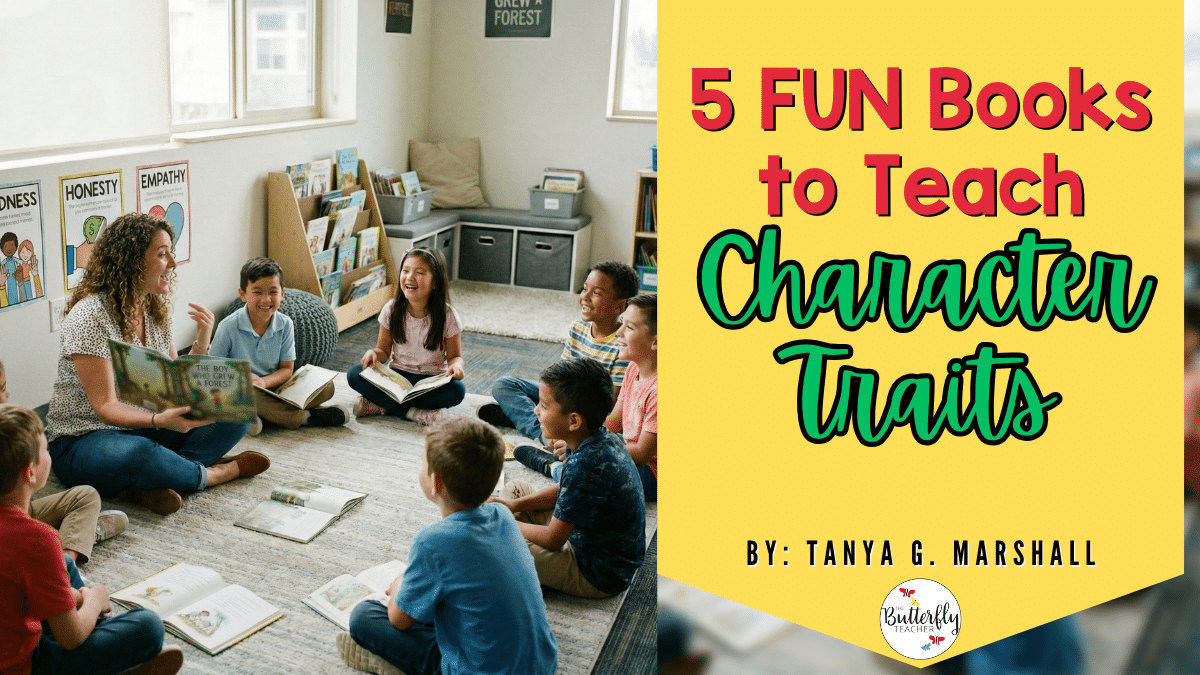
I’ve found that powerful mentor texts make teaching character traits so much easier and more meaningful. Strong stories give students clear, concrete evidence of traits through a character’s actions, dialogue, and inner thoughts. When I choose high-quality books to teach character traits, my students don’t have to guess, they can see and feel the traits unfolding naturally. That’s why I’m always intentional about selecting engaging books to teach character traits that spark discussion and deeper thinking.
Having ready-to-use activities has also been a huge time-saver. Instead of building everything from scratch, I can focus on guiding students to analyze characters with confidence and clarity.
This post may contain affiliate links to Amazon for your convenience. As an Amazon Associate, I earn from qualifying purchases, which do not cost any extra for you. Please see the full disclosure here.
🌟 Classroom Favorites That Spotlight Powerful Traits
Below are some of my favorite books to teach character traits that never fail to spark deep thinking, meaningful discussions, and real “aha” moments in the classroom. I love that many of these books are easy to access digitally, which makes planning much smoother.
When I’m short on time, I often grab these books to teach character traits through Kindle Unlimited so I can preview, plan, and teach without waiting for physical copies. Having instant access to books has been a game changer for my weekly prep, and it’s helped me build stronger lessons around books to teach character traits without extra stress.
Disclosure: As an Amazon Associate I earn from qualifying purchases. Images of the featured books below are property of Amazon.

1. A Bad Case of Stripes – David Shannon
Quick Summary: Camilla Cream is so worried about what others think that her body starts changing in wild and unexpected ways.
Trait Focus: Self-Acceptance, Confidence
Teaching Spark: Have students track how Camilla’s actions change as she learns to be herself. Ask, “What does her final choice at the end tell us about her true character?” For ready-made questions and activities that dig into Camilla’s journey, check out my A Bad Case of Stripes Book Companion.


2. Chrysanthemum – Kevin Henkes
Quick Summary: Chrysanthemum loves her unique name until classmates tease her, making her question what makes her special.
Trait Focus: Courage, Kindness, Confidence
Teaching Spark: Focus on how Chrysanthemum’s feelings change while her true self stays the same. Have students compare her traits at the beginning and end using specific story evidence.

3. Each Kindness – Jacqueline Woodson
Quick Summary: Chloe has multiple chances to be kind to a new girl but lets those moments pass.
Trait Focus: Regret, Empathy, Compassion
Teaching Spark: Analyze Chloe’s inaction as an important character clue. Use a “Before and After” organizer to show her shift in thinking and emotions.

4. Because of Winn-Dixie– Kate DiCamillo
Quick Summary: Opal builds friendships and finds her place in a new town with the help of a stray dog.
Trait Focus: Openness, Growth, Empathy
Teaching Spark: Track how Opal’s traits develop across the story by analyzing her conversations with different characters. For more great chapter book ideas like this one, see my list of Novel Studies for 4th and 5th Graders.


5. The Invisible Boy– Trudy Ludwig
Quick Summary: Brian feels unnoticed until a simple act of kindness changes everything.
Trait Focus: Quiet Strength, Inclusion, Thoughtfulness
Teaching Spark: Examine Brian’s small, thoughtful actions before and after someone reaches out to him. Discuss how strong traits aren’t always loud or obvious.
Love having these books to teach character traits ready to go? You can find many of them quickly on Kindle for instant access during your planning, check the Kindle Unlimited here!
🧩 Smart Systems with Books to Teach Character Traits
One of the best supports I use alongside books to teach character traits is a strong graphic organizer. It takes the “mystery” out of the process by helping students focus on what a character says, does, and thinks as they read. Instead of vague answers, students learn to collect concrete details and turn them into real trait evidence while working with books to teach character traits in a very intentional way.


These visual tools make comprehension stick. When students can see their thinking, they build a habit of pulling accurate text evidence instead of guessing. This is especially powerful when teaching with books to teach character traits, because the structure makes abstract ideas feel clear and manageable for every type of learner.
My Character Traits Graphic Organizer is designed specifically for this, helping students move from listing events to naming and proving complex traits.
💬 Teacher-to-Teacher Answers That Really Help
Q1: What is a good book to teach character traits?
A strong choice is any story with a dynamic character who grows or faces clear internal challenges. Titles like A Bad Case of Stripes and Each Kindness are excellent books to teach character traits because they clearly show self-acceptance, regret, and empathy through meaningful story moments.
Q2: How do you use books to teach character traits?
I guide students to zoom in on a character’s actions, dialogue, and thoughts. When we use books to teach character traits with a simple graphic organizer, students can track patterns and collect proof instead of making random guesses about personality.
Q3: What are character traits vs. emotions?
Emotions are temporary feelings like happiness, anger, or surprise. Traits are long-lasting qualities that define who a character really is, like optimistic or hot-tempered. Working through books to teach character traits helps students learn to separate a quick reaction from a character’s deeper, consistent personality.
🌈 Little Readers, Big Lessons That Last
There is something truly powerful about pairing meaningful stories with simple, structured tools. When I combine thoughtful read-alouds with clear organizers, my students don’t just hear the story, they understand the why behind every action and choice. That’s the magic of well-chosen books to teach character traits, especially when students are given the support they need to think deeply and confidently.
If you’re looking to make character lessons stick, start small and stay consistent. Using books to teach character traits alongside visual thinking tools helps turn everyday reading into real character discovery.
I’d love to hear from you! What are your favorite books to teach character traits in your classroom? Share your top picks in the comments below! 💛
Happy reading, and happy teaching! ✨