



Have you ever walked into your empty classroom at the beginning of the school year, looked around at the desks, boxes, bulletin boards, and random piles of supplies, and thought, Where do I even start? 😣 If so, you are definitely not alone.
Setting up an elementary classroom can feel exciting and exhausting at the same time, trust me, I’ve been there more than once. 🙋🏾♀️ We all want a room that feels welcoming, organized, and functional for our students, but getting it all done can feel like a lot.
The good news is that it does not have to be overwhelming. With a simple plan and a few smart strategies, you can make classroom setup feel much more manageable.
This post contains affiliate links to Amazon for your convenience. As an Amazon Associate, I earn from qualifying purchases, which do not cost any extra for you. Please see the full disclosures here.
Why Classroom Setup Feels Overwhelming
Classroom setup feels overwhelming because teachers are making a hundred little decisions before students even arrive. You are not just arranging furniture. You are planning how your classroom will function every single day.
Before the year begins, we are often trying to figure out:
• where student desks should go
• how to organize classroom supplies
• where small-group instruction will happen
• what to put on bulletin boards
• how students will turn in work
• where backpacks, folders, and books should live
The hardest part is usually not the work itself. It is figuring out where to begin.
Each year I taught, I learned pretty quickly that trying to do everything at once only made me more tired and more indecisive. Now in my coaching work with teachers, I see that same pattern all the time. Teachers often need permission to slow down, make a plan, and focus on function first.
Start With Function Before Decor
You should organize for function before decorating for just beauty. A classroom that works well will always serve your students better than a classroom that simply looks cute.
That means thinking first about:
• student movement and transitions as they walk through the room
• teaching spaces, especially for small groups and centers
• storage systems
• access to materials that allow your students to be independent
• daily routines
Then, once those pieces are in place, you can add the bulletin board borders, posters, and pretty finishing touches. ✨ Besides, setting up your classroom is the first step before you plan the rest of your school year.
A useful room matters more than a picture-perfect one. Your students need space to learn, move, and work independently. They do not need every corner color-coordinated on day one.
Smart Tips for Easily Setting Up an Elementary Classroom
If you want setting up an elementary classroom to feel easier, start with simple planning steps that save your energy and time. These are the practical strategies I recommend most often.
1. Use AI to Help You Plan the Room
Yes, really. Take a picture of your empty classroom and upload it to an AI tool to brainstorm layout ideas.
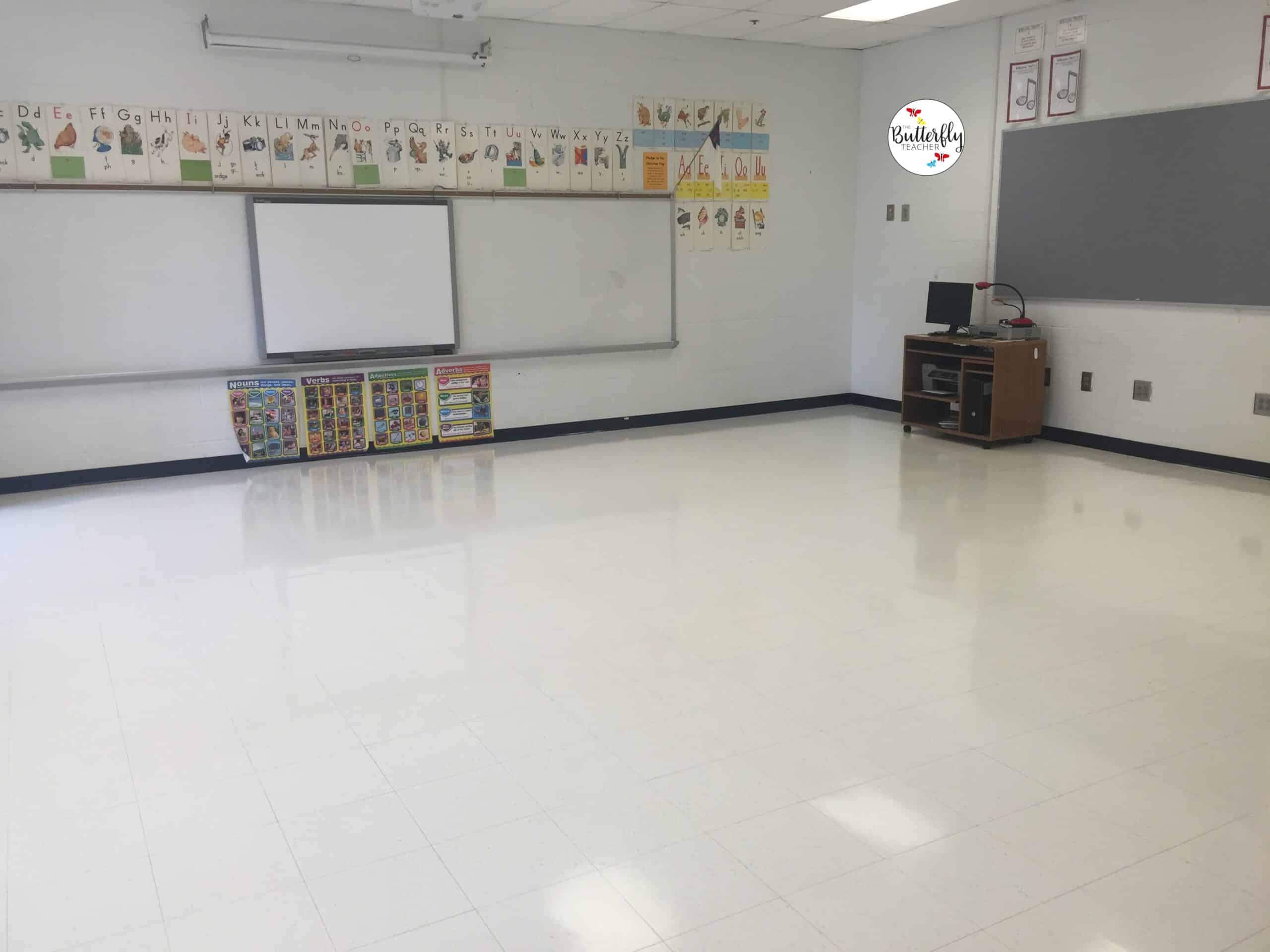
You can ask it things like:
• Where should I place desks for better traffic flow?
• How can I fit a small-group table into this room?
• What are three layout options for a 4th grade classroom?
This is especially helpful when you feel stuck and need fresh ideas before moving furniture around.
2. Draw the Desk Layout on Paper First
Sketching your setup first saves time and your back. You do not have to be an expert at drawing; basic shapes like squares to represent the desks is good enough! Before you move a single desk, draw a rough map of your room, similar to this example. Be sure to color or take note of any furniture that cannot be moved around. For instance, in my former 4th grade classroom, the storage / cubbies along the back wall were anchored in place, so I had to work around that.
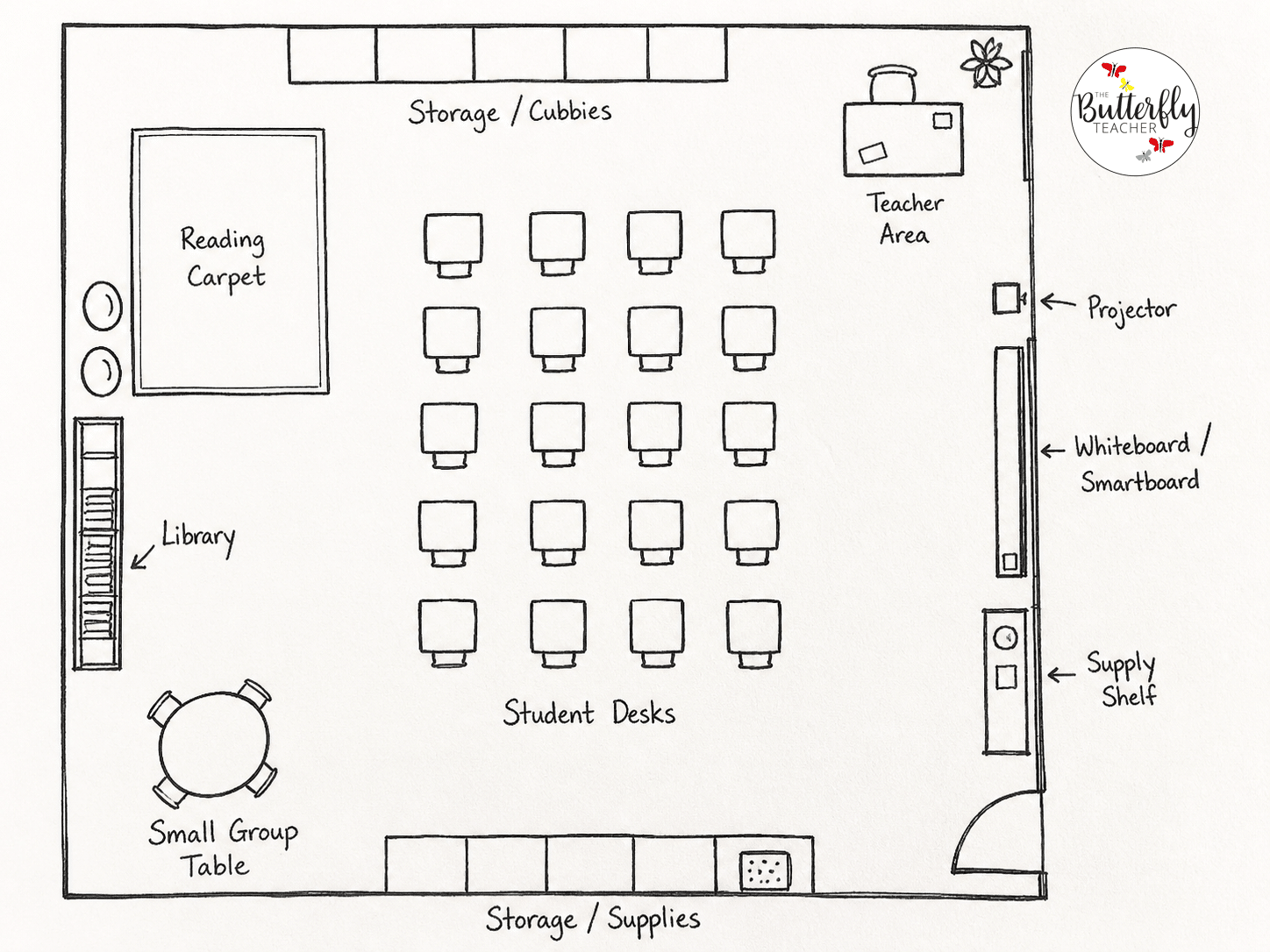
As you plan your classroom layout, think about the following:
• where students will walk
• how and where your kiddos will line up
• the best way for them to get their supplies
• whether you can easily monitor all students sitting from your desk or small group table
Keeping these things in mind by drawing them on paper first, will save you so much stress and keep you from being sweaty from moving things around too much!
3. Bring a Measuring Tape
Measuring first prevents frustration later. Measure walls, shelves, tables, bulletin boards, and floor spaces before placing furniture. This is especially true before you buy anything for your classroom! Don’t make the mistake I did one year buying a new classroom rug only to find out that it didn’t fit in the space I planned. 🤦🏾♀️
This matters even more if you have a smaller classroom. Nothing is more annoying than moving a bookshelf three times because it does not fit where you thought it would.
4. Recruit Help
Do not try to do everything alone. Ask teammates, family members, friends, or volunteers to help move furniture, sort supplies, or hang key items.
I also worked together with my co-teacher and teacher assistant to plan moving day for both our classrooms. We started with her room, then worked as a team to set up my room.
Setup is so much easier when you have extra hands. Even one helper can make a huge difference.
5. Start Planning at Home Over the Summer
You do not need to wait until you get your keys to start thinking things through. A rough plan made at home can reduce overwhelm in a major way.
Try planning:
• your must-do setup tasks
• classroom storage ideas
• your first-week essentials
• what supplies need labels or bins
I have found that even a simple checklist helps teachers walk into their room with more confidence.
6. Decide on Learning Zones First
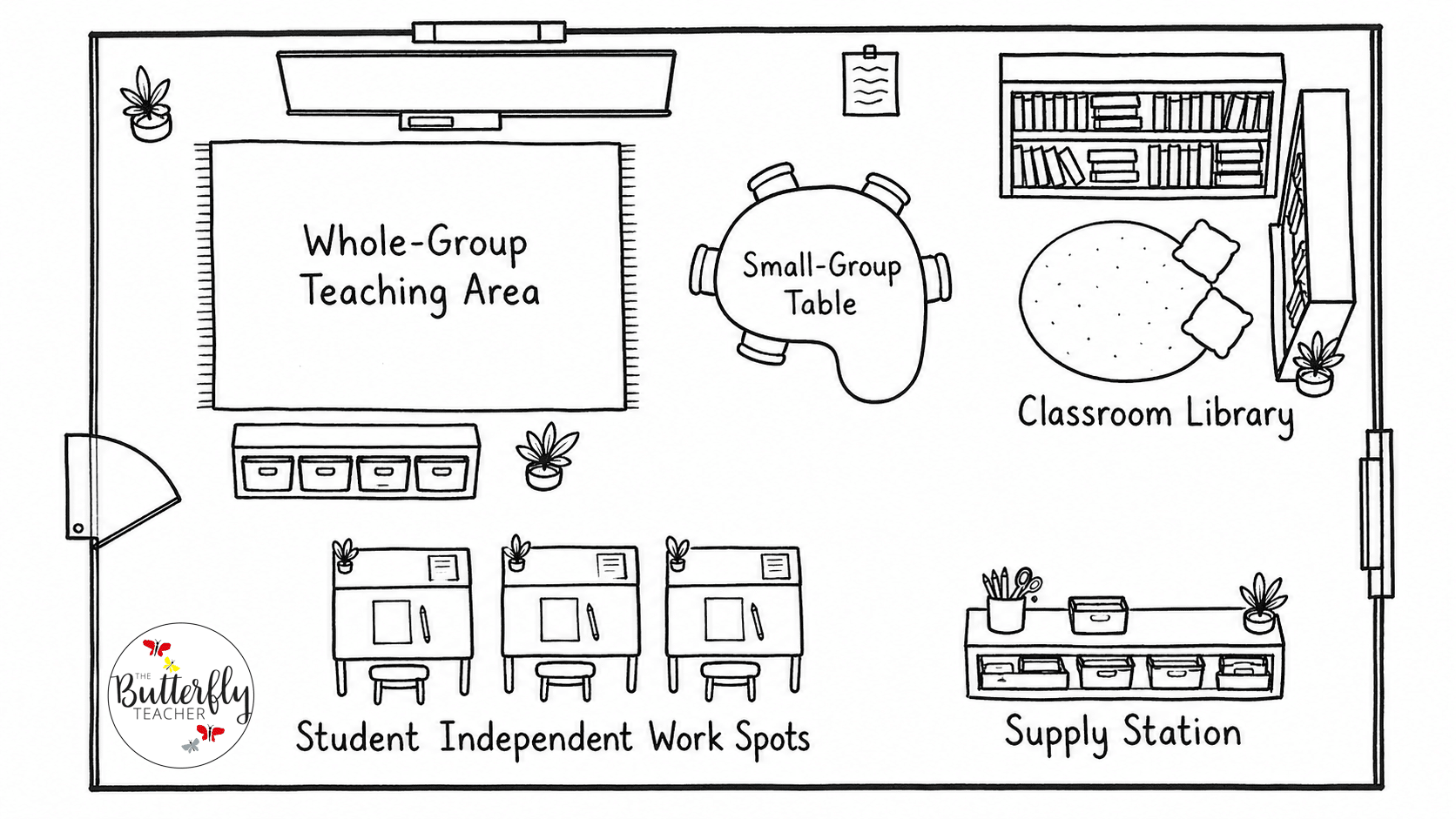
Your classroom should have clear spaces for different types of learning. Start by deciding where your main instructional zones will go.
Think about:
• whole-group teaching area
• small-group table
• student independent work spots
• classroom library
• supply stations
In my experience, this step makes every other setup decision easier. In fact, do this step with #2 so that everything is planned out on paper before moving a bunch of heavy furniture around!
7. Think About Traffic Flow When Setting Up an Elementary Classroom
Good traffic flow helps your classroom feel calmer and more organized. Students should be able to move through the room without bumping into furniture or each other.
Watch out for crowded areas near:
• pencil sharpeners
• turn-in bins
• backpack hooks or cubbies
• classroom library
• line-up spots
If students cannot move easily, the room will feel chaotic fast. So, keep tight walk-through areas and other challenge spots in mind. Then make sure you create procedures that help students move around your classroom in a way that will keep things flowing smoothly.
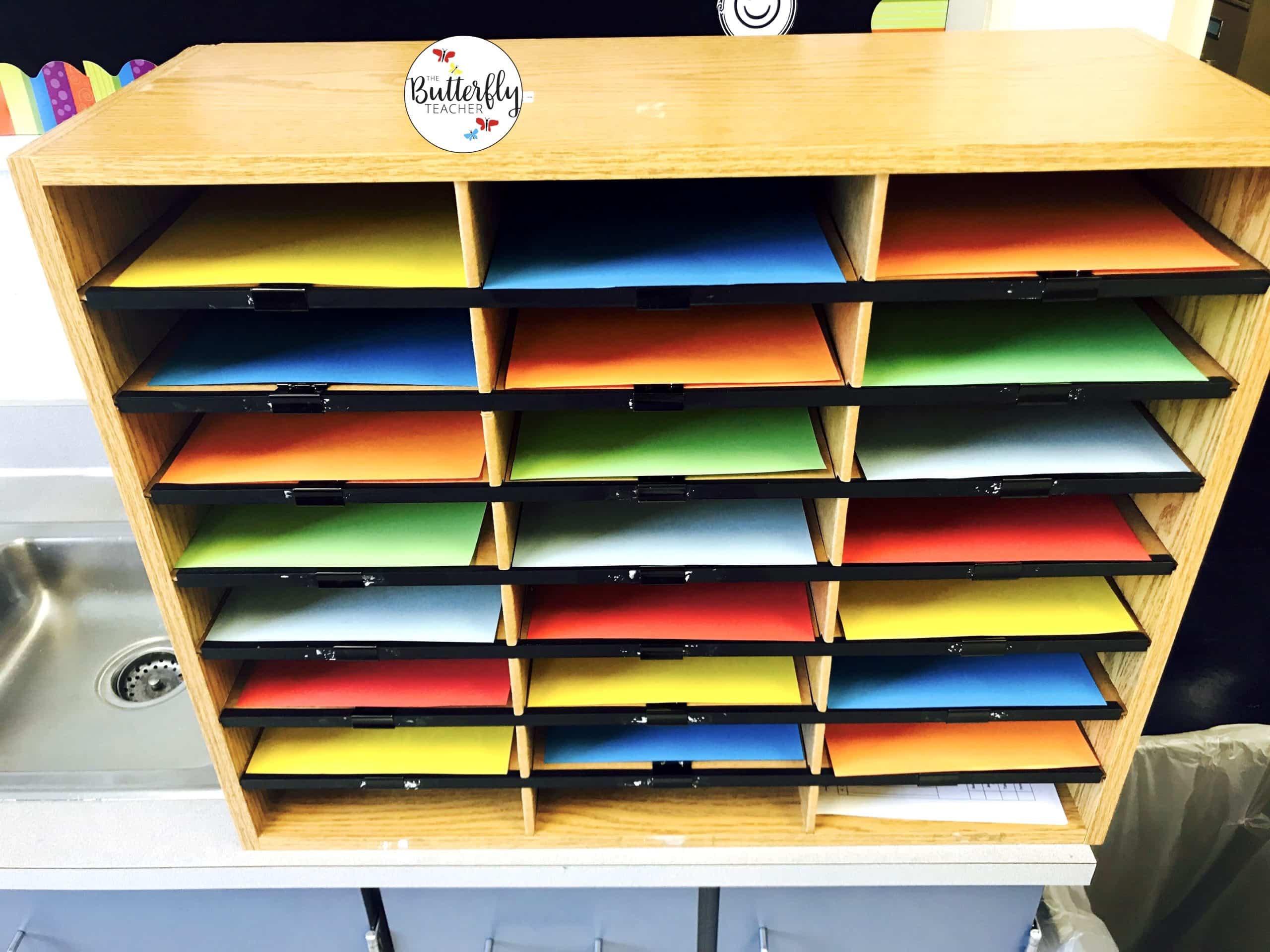
I had students turn in their homework in this cubby / mailbox area. Think about the flow of several students turning in work at the same time.
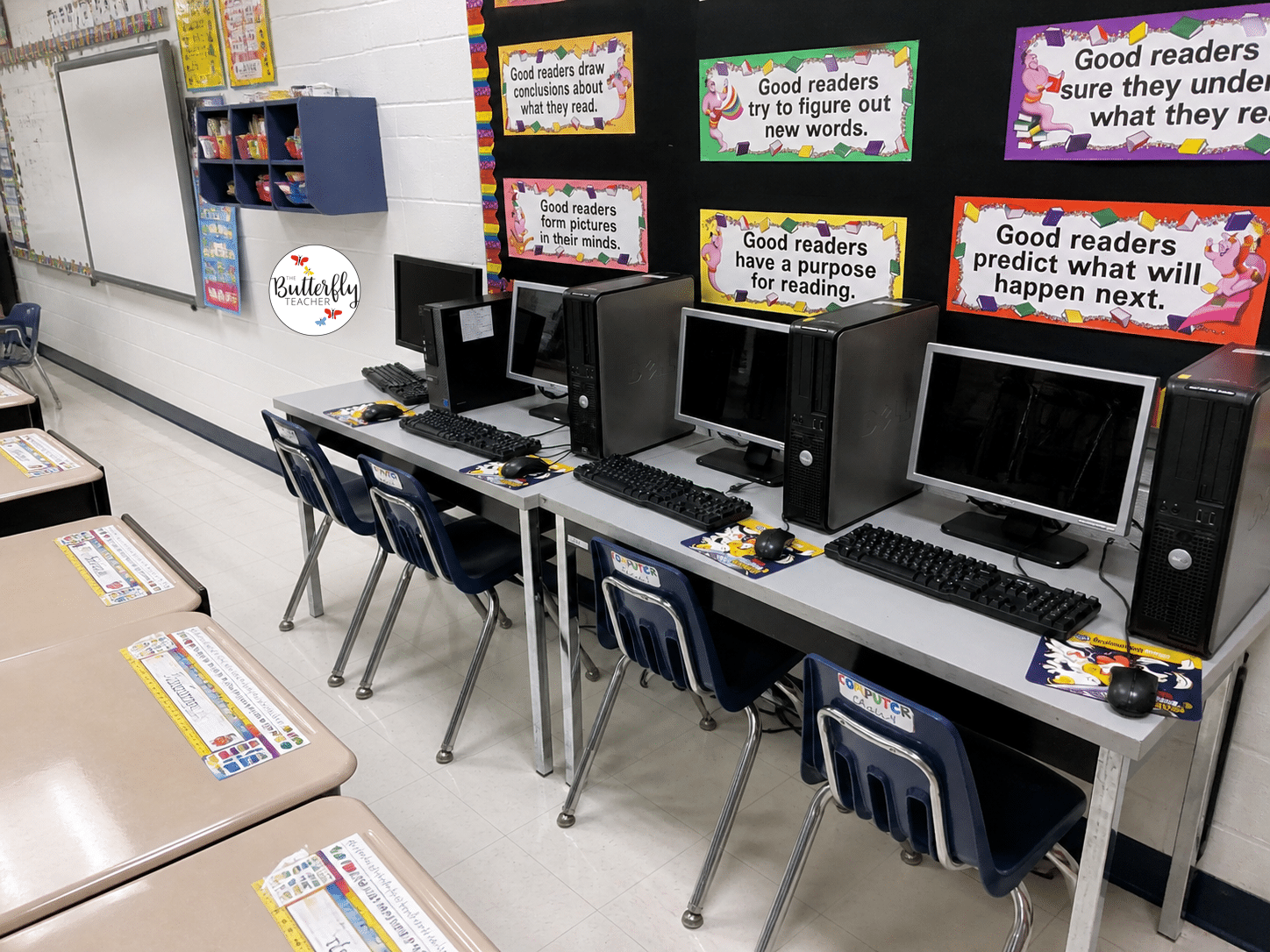
My computer station area was challenging because the area behind the chairs was a tight space. So I trained my students to only walk in one direction to avoid traffic jams!
8. Pick a Desk Arrangement That Matches Your Teaching Style
The best desk arrangement depends on how you teach. Do you like staying at the front of the classroom or do you like to walk around as you teach? There is no one perfect setup for every classroom.
Here are a few common options for elementary classroom set up:
• rows for focus and structure
• table groups for collaboration
• pairs for discussion and flexibility
• hybrid layouts for a mix of both
When I taught upper elementary, I often preferred a hybrid setup because it gave me structure without making partner work awkward.
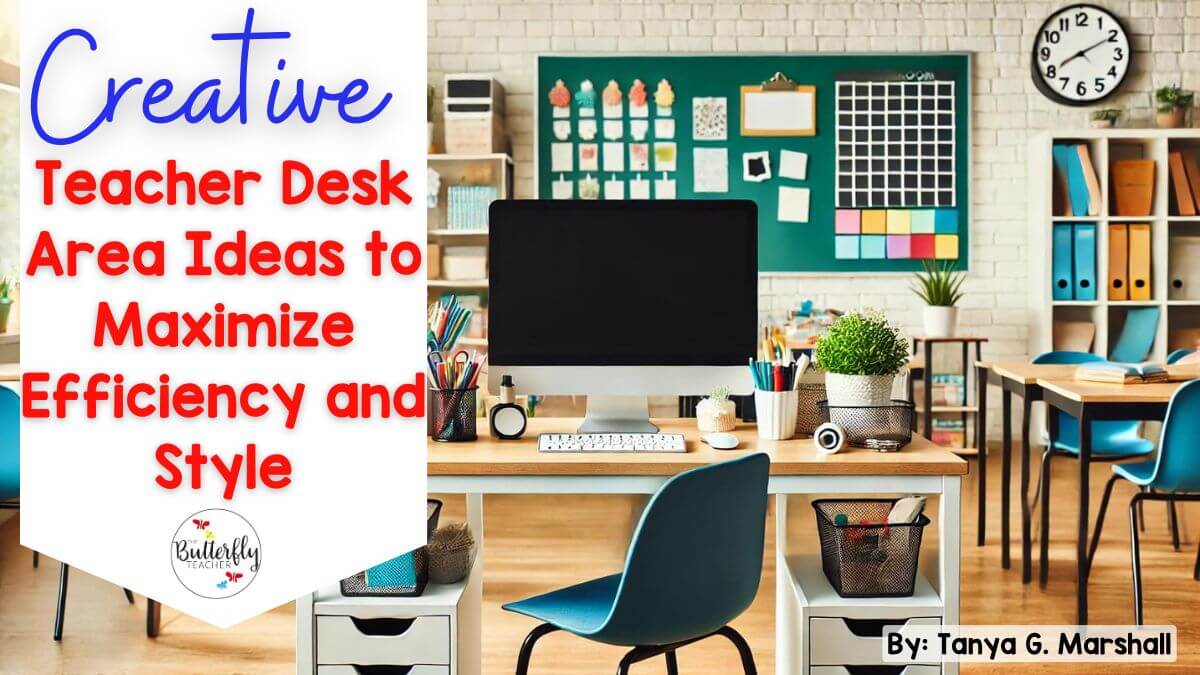
Want more ideas on setting up your teacher desk area? This post gives you several creative ideas. ⬇️
9. Set Up the Most Important Areas First
Always start with the essentials. Focus first on the spaces students will use immediately and often.
Start with:
• student desks
• your teaching area
• easily getting to your most used teacher supplies
• supplies students need daily
• turn-in and pick-up systems
Then go back later for the less urgent extras. Progress over perfection is the goal. ✅
10. Put Student Materials Where Students Can Reach Them
Students should be able to access common materials independently. That means using low bins, labeled shelves, and simple systems. When I taught ELA and SS (Social Studies), I kept easy-to-reach bins for my Homeroom, but I also had separate bins for my co-teacher’s homeroom students.

Try to make these items easy to reach:
• pencils and pencil sharpeners
• notebooks or folders
• where to retrieve or turn in work
• math manipulatives
• classroom library books
This small shift saves you a lot of interruptions throughout the day.
11. Plan With the First Week of School in Mind
Do not set up for your ideal perfect classroom day before planning for your real first week. The first few days need room for routines, supply collection, and teaching procedures.
Ask yourself:
• What do students need access to right away?
• What can wait until later?
• Is there space for back-to-school activities?
Setting up your classroom while also lesson planning for back to school can be really time consuming. 😵💫 I want to you help reduce that overwhelm! These FREE back to school lesson plans cover the first month of school with practical ideas. 💡
12. Leave Room to Adjust Later
Your classroom setup is not permanent. Once students arrive, you will notice what works and what needs tweaking. In fact, I always started off the school year with the student desks in a U shape so that I could introduce procedures and routines in an easier way.
But then, I would change the desk arrangement as students became more independent with our systems.
Be ready to adjust things like:
• desk placement
• supply systems
• small-group space
• traffic patterns
• classroom jobs and routines
You do not need to get everything exactly right before day one. I have a dedicated Pinterest board for desk layouts so that as things change, I have new inspiration and ideas to pull from. Follow me on Pinterest to also see these classroom set up ideas.
Mistakes to Avoid When Setting Up Your Classroom
The easiest way to save time is to avoid common setup mistakes. Most classroom setup stress comes from doing things out of order.
Try not to:
• move furniture before making a plan
• decorate before organizing
• forget to measure
• crowd the room with too much furniture--remember, less is more
• create systems students cannot use alone
• pressure yourself to finish every tiny detail before the first day
In my coaching work with teachers, one of the biggest issues I see is classrooms that look polished but are hard for students to function in. Pretty is nice, but practical wins every time.
Set Up Your Classroom for Open House Night or Meet the Teacher Night
Once your classroom is set up for students, the next step is making sure it is ready for families too. If your school has an Open House Night or Meet the Teacher Night before or during the first week, you will want your room to feel welcoming, easy to navigate, and informative.
Think about how families will move through your room. Parents and students need to know where to go, what to read, and what to do without feeling confused.
Helpful ideas include:
• clear walkways between desks and stations
• signs for important areas
• a parent information table
• a sign-in station
• a simple classroom slideshow
• a self-guided scavenger hunt
• interactive stations for supplies or forms
Family-friendly touches and organized displays can help parents leave feeling informed and connected. For more practical ideas, check out these open house night ideas by clicking on either image. ⬇️


How do I start setting up an elementary classroom?
Start with furniture, classroom flow, and teaching spaces first. The biggest setup decisions should happen before decor and extras. Once desks, learning zones, and supply access are planned, the rest of your classroom setup becomes much easier and less stressful.
What is the best classroom layout for elementary students?
The best layout depends on your room size, class size, and teaching style. A strong classroom layout supports learning, movement, and independence. If students can see, move, and access materials easily, your layout can work well throughout the school year.
How can I set up my classroom without getting overwhelmed?
Make a plan before you begin, break tasks into smaller steps, and focus on essentials first. Drawing things on paper before you move any desks or furniture also really helps. You do not need to do everything in one day. Asking for help and using a checklist can make the whole process feel much more manageable.
Should I decorate first or organize first?
Organize first, always. Decor works better once the room is functional. When your furniture, materials, and routines are in place, you will know exactly what wall space and display areas are actually available and useful.
Simple Classroom Organization Systems for You
Teacher friend, setting up an elementary classroom does not have to be complicated. A simple, functional setup is often the best place to start, and you can always refine it as the school year begins. 💛
As you plan the best set up, check out these easy-to-implement organization systems that work well for elementary classrooms.

If there is one thing I want you to remember, it is this: your classroom does not need to be perfect to be powerful. It just needs to work well for you and your students.
Besides, YOU are the special ingredient that makes your classroom feel special and fun to be in all year. ⭐️
If you have a favorite classroom setup tip, leave it in the comments. I would love to hear what works for you!
